
Firm reaches out-of-court agreement on 5 of 19 patent challenges in the US.
The US subsidiary of Sun Pharmaceuticals, Caraco Pharmaceutical Laboratories, has received a warning letter from the Food and Drug Administration.

India has capped the prices of 36 drugs, including those used to treat infections and diabetes, in its latest move to make essential medicines more affordable, a senior official of the country's drug pricing authority told Reuters on Friday.

'The deaths of the children in the Gambia would batter India's reputation as the developing world's pharmacy.'
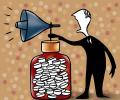
Leading drug firms Aurobindo Pharma, Sun Pharma and Jubilant are recalling different products in the US market for various reasons, as per the latest enforcement report by the US Food and Drug Administration (USFDA). While Aurobindo Pharma is recalling Cyanocobalamin Injection, which is used to treat and prevent lack of vitamin B12, Mumbai-based Sun Pharma is recalling a drug used to increase the production of natural tears in eyes. Similarly, Jubilant Cadista is recalling a drug which is used to treat different inflammatory conditions.
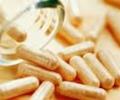
"We have launched Oseltamivir brand, called Antiflu, which is the only flu medicine from India to be prequalified by World Health Organisation," Cipla's Chairman and Managing Director, Y K Hamied said.

A notice issued by the Indian Health Ministry at the weekend said that a government-appointed committee of experts had found that the banned combinations were "likely to involve risk to human beings, whereas safer alternatives to the said drug are available."

The new drugs to come under price control include commonly-used antibiotics and painkillers
India's pharmaceutical industry is losing around Rs 500 crore (Rs 5 billion) annually on account of destruction of expired drugs, hitting the bottom line of drug manufacturers, especially the small and medium ones.
Keeping its word to make drugs affordable to consumers, the government on Thursday announced caps on margins on the sale of pharmaceutical products.
Overall slowdown in the economy and growing volumes of unbranded generic medicines in the domestic market are behind poor sales.

The National Pharmaceutical Pricing Authority, which regulates the prices of medicines, has identified around 70 anti-cancer drugs, including anti-breast cancer medication Letrozole and anti-blood cancer drug Imatinib, for detailed price analysis.
Domestic drug major Cipla Ltd has signed a long-term collaboration agreement with Swiss specialty pharmaceutical major Meda, to develop and market an anti-allergic rhinitis drug for various global markets. Cipla will manufacture the drug, which will treat an ailment that causes a runny nose, and the Swiss company will market the product in Europe, Japan, Brazil, South Korea and Australia. The partners are developing the product as a nasal spray to treat allergic rhinitis.
The National Pharmaceutical Pricing Authority (NPPA) on Thursday said it has increased prices of 62 drugs, which are mainly based on indigenously manufactured insulin, giving a filip to domestic firms.
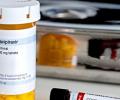
Favipiravir is the only oral anti-viral treatment approved in India for potential treatment of patients with mild to moderate Covid-19 disease.

Generic drugmakers cannot be sued under state law for adverse reactions to their products.

Drugs that are used to treat Covid or used by people as immunity boosters have seen a jump in sales and, in turn, rankings.

A joint team of the state and the Centre inspected the unit and found 12 violations or deficiencies.

Amneal Pharmaceuticals is set to pip Sun Pharma as the fifth largest generics maker in the US, reports Sohini Das.
The government is actively considering bringing 355 life saving drugs under price control and take a few additional measures to help the poor and below poverty line (BPL) families, once the Union Cabinet approves National Pharmaceutical Policy.

Big pharma companies, however, said while it was true that formulation players would not rush to buy raw material, they could not afford losing customers.

The country's drug companies have attracted the highest number of enforcements from the American drug regulator in 2013, a year that has seen the US Food and Drug Administration turning stricter to ensure compliance levels and quality of medicines.

The US president said that he has sought help from Prime Minister Narendra Modi to allow the sale of Hydroxychloroquine tablets ordered by the US to treat the growing number of coronavirus patients in his country, hours after India banned the export of the anti-malarial drug.

2.3 million people are opioid-dependent. 860,000 people are opioid users. 123,000 people are heroin-dependent.

European regulators have estimated that consumers are paying up to 20 per cent more for medicines in some cases.

The Indian pharmaceutical market (IPM) grew 6.8 per cent to touch a turnover of ~1.93 trillion in calendar year 2023, despite volumes going down marginally by 0.9 per cent. This indicates the price increase has been the major growth driver. Growth in the moving annual turnover (the previous 12 months' turnover) in December was 5.1 per cent and that in new product introduction 2.6 per cent, while volumes dipped 0.9 per cent, leading to an overall growth rate of 6.8 per cent, according to the data from market research firm Pharmatrac.
Weak scientific capabilities, lack of desire to advance knowledge, and regulatory uncertainty are some of the hurdles Indian drug companies face, says Chirantan Chatterjee.
The voluntary move comes a little more than a year after the Central Drugs Standard Control Organisation, the central authority that approves new drugs for marketing, had asked the drug makers to withdraw the 'combination drugs' as they are 'unnecessary' and may pose health hazards. The Drugs Controller General of India had banned 294 combination drugs sold under nearly 1,053 brand names from the market in June 2007.
The department of pharmaceuticals turned down a review petition by drugmaker Cipla against a price fixation order by the National Pharmaceutical Pricing Authority, slashing the price of Dytor Plus, a medicine for kidney and heart ailments.
The company is demerging its new chemical entity research unit into a separate company to meet the demands of increased spend on research and development, and to insulate investors from the risks involved. According to the deal signed with Merck, NPIL will discover and develop new drugs for two selected targets provided by Merck in the area of cancer.

Germany's drug regulator has banned the sale of 80 generic medicines with immediate effect on the grounds that their clinical trials conducted by India's pharmaceutical research company GVK Biosciences were "insufficient".

Several firms are stepping up to help their workforce cope with soaring temperatures
